Improving Safety In Your Workplace: Arc Flash Hazard Labeling In 2026 and Beyond
Full Wave Engineering, led by Rob Currie, PE, helps commercial and industrial facilities perform arc flash risk assessments and produce NEC-compliant labeling under the updated 2026 code cycle — before an AHJ, insurer, or inspector asks first.
Schedule a ConsultationSee What Changed in 2026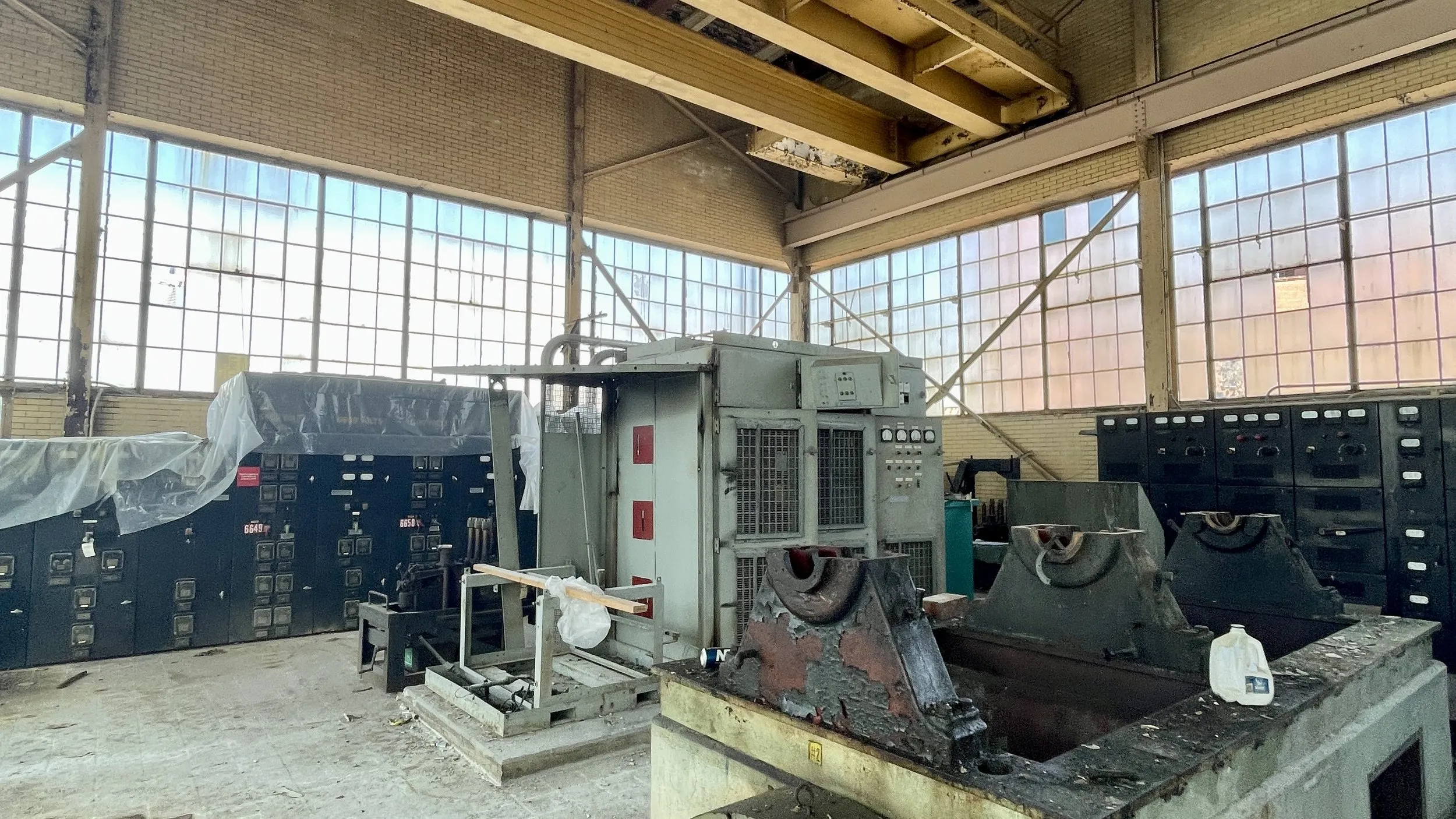
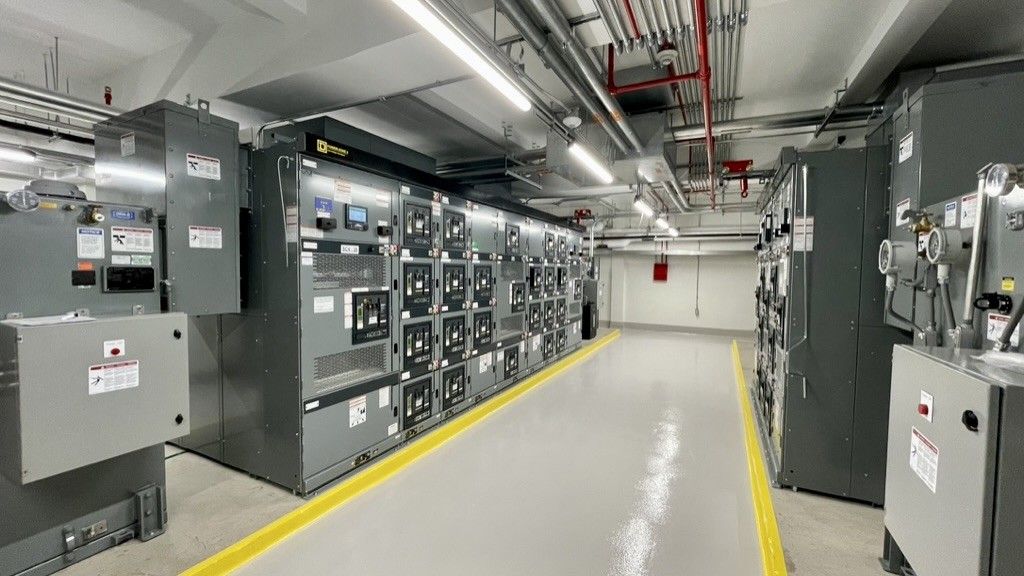
Arc Flash Risk Assessment
Incident energy analysis performed to IEEE 1584 to quantify real hazard levels at every piece of electrical equipment in your facility.
NEC 2026 Compliant Labeling
Durable arc flash labels designed, printed and applied to meet the standards of NFPA 70E and code requirements of NEC Article 110.16.
PE-Stamped Documentation
Stamped drawings, calculation reports and one-line diagrams your facility can produce for inspectors, insurance, or AHJ review.
Rob Currie, PE — Full Wave Engineering
Rob Currie is a licensed Professional Engineer providing electrical design and analysis for commercial buildings and infrastructure projects — power distribution and fit-out , signed & sealed construction documentation, power system analysis, lighting design, lightning protection, and construction administration.
Full Wave Engineering is built on direct, personalized consultation. Achieving your goals and delivering the results you need, accurately and on time, is of utmost importance.
"I am hands on and communicative, seeking to collaborate with all parties involved, to reach the best value solution for the owner. NEC 2026 raises the bar on what a compliant arc flash label has to show. I help facility owners get ahead of it before an inspector or insurer flags it."
Rob Currie, PEPrincipal Engineer, Full Wave Engineering
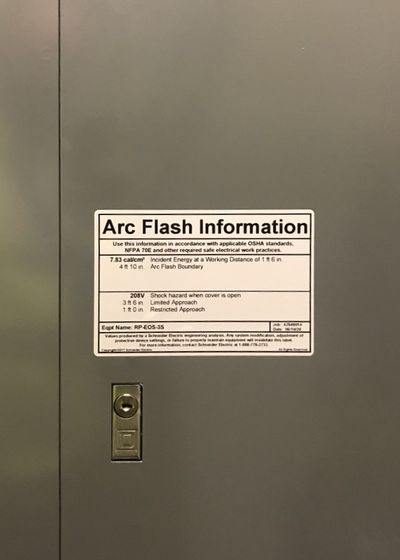
Article 110.16 Just Got More Specific
With each three-year code cycle, NEC Article 110.16 has incrementally expanded what an arc flash label has to disclose, and the 2026 edition continues that trend. Facility managers should be aware that the current version of The National Electrical Code adopted in their jurisdiction directly affects what analysis and labeling requirements are in effect for their equipment. Facilities that haven't reassessed since the 2023 cycle shouldn't assume their existing labels still satisfy their AHJ, insurer, or NFPA 70E audit.
Code adoption timelines vary by State and City. A reliable way to know where your facility stands is through an engineering review of your site specific systems compared against the code your local authority has adopted, or will be adopting in the future.
View Labeling RequirementsArc Flash Study & Labeling Questions
At minimum, review your arc flash study every five years, per NFPA 70E. You'll also need to revisit it sooner if your electrical distribution system changes — new equipment, a utility upgrade, or a change in available fault current can all shift your incident energy numbers.
Yes. Under 29 CFR 1910.269(l)(8)(ii), employers must make a reasonable estimate of the incident heat energy an employee could be exposed to from an electric arc. An engineered study is the standard way to satisfy that requirement.
Article 110.16 requires a field-applied warning label on switchgear, switchboards, panel boards, motor control centers, enclosed circuit breakers, and other equipment likely to require examination, adjustment, servicing, or maintenance while energized. What the label needs to display has grown more specific with each code cycle, and requirements can vary depending on which edition your local authority has adopted — which is exactly why we review your facility against the code that applies to you rather than assuming a generic label will do.
An arc flash study gives you the actual incident energy a worker would be exposed to at a specific piece of equipment. That's what lets you assign the correct PPE category and identify your highest-risk locations. A generic sticker can't tell you any of that, and it won't hold up if your labeling is ever questioned during an audit or incident review.
Get Ahead of the
2026 Labeling Requirements
Schedule a consultation with Rob Currie, PE to find out where your facility stands under the updated NEC and NFPA 70E requirements.
Schedule a Consultation